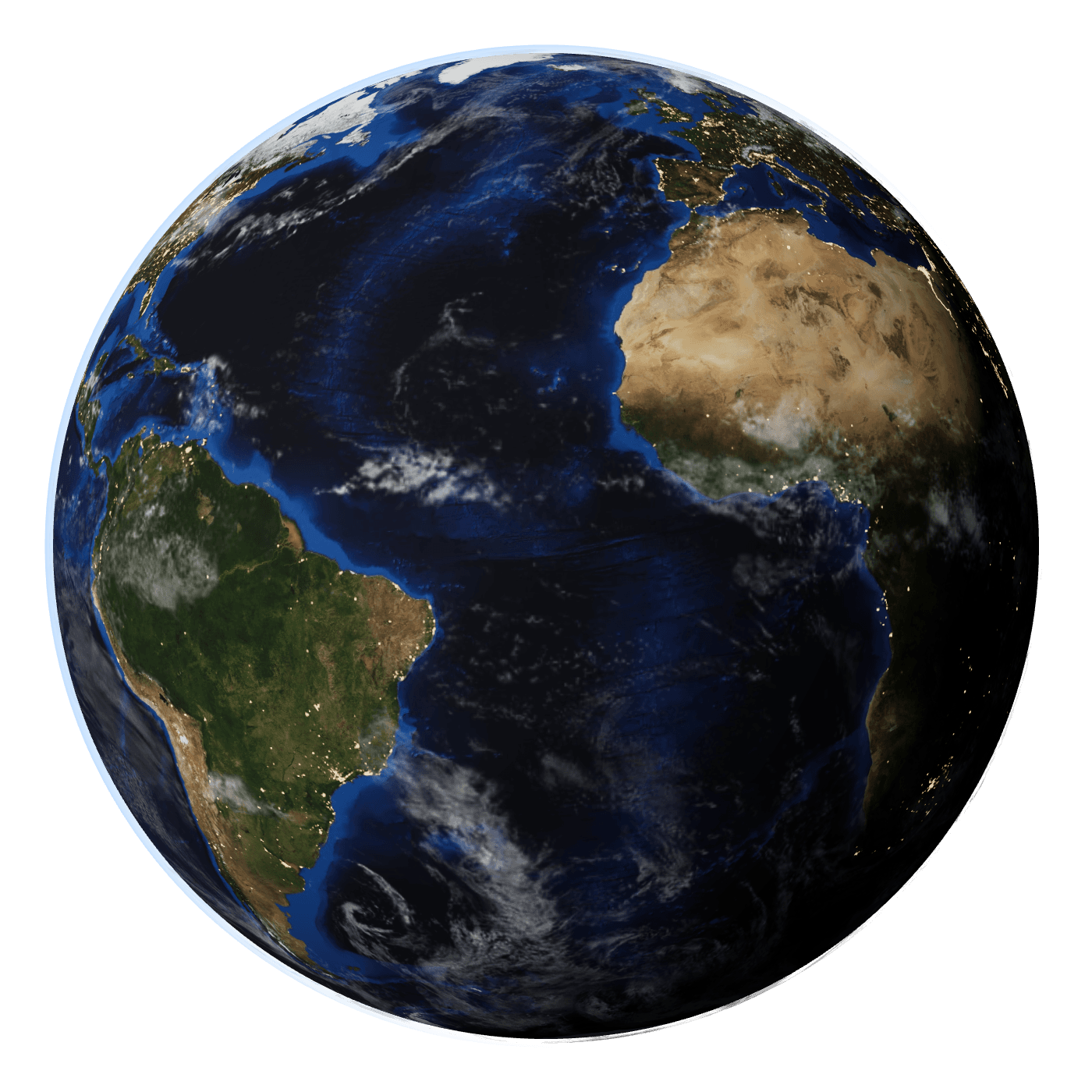
Orbit and come back
Earth
Climb through the atmosphere, circularise, deploy, then bring the stage home — entry burn, landing burn, and a pad you have to hit.
- Injection
- 9.4 km/s to orbit
- Cruise
- Minutes
- Radius
- 6,371 km
Orbital simulation · runs in the browser
Vivapse simulates spaceflight the hard way — six degrees of freedom, the real shape of the Earth, live weather over the launch site you picked, and real transfer windows to the Moon and Mars. You write the flight program. Physics decides whether you land.
Recorded in the playground
Every frame comes off the simulator running in a browser — the interface, the flight and the landing are the real thing. Only the dissolves between shots were added. Pick a step to jump to it.
Pick a preset or build your own: stages, engines, propellant. The delta-v budget and the checks answer as you change it.
Aster · 535.5 t · Δv 11.11 km/s
The flight program
Your program runs fifty times per simulated second. It reads the vehicle — altitude, velocity, attitude, dynamic pressure, propellant remaining — and commands throttle, steering and staging. Plain JavaScript, edited in the browser, with no autopilot underneath to catch you.
starter.js
1let phase = 'launch';23function update(fc) {4 switch (phase) {5 case 'launch':6 fc.throttle(1);7 fc.steer(90); // nose straight up8 fc.ignite(); // clamps release once thrust > weight9 phase = 'ascent';10 break;1112 case 'ascent':13 // Pitch over once moving, then follow the velocity14 // vector — that is the whole gravity turn.15 if (fc.surfaceSpeed > 100)16 fc.steer(Math.min(85, fc.prograde), 0);1718 if (fc.propellant < 0.02) {19 fc.shutdown();20 fc.separate();21 fc.setPlane('orbit');22 phase = 'insertion';23 }24 break;25 }26}What it produces
Orange is thrust. Everything between the burns is the vehicle falling, and the simulator is not helping it.
Fidelity
Every number resolves to a named model, and the places where the simulation departs from reality are written down rather than hidden. Three physics audits say where those are.
Gravity
WGS84 + J2
An oblate Earth, not a sphere. Oblateness precesses your orbit the way it really does.
Vehicle
6-DOF rigid body
Three axes of translation and three of rotation, with per-stage engine groups and cold-gas thrusters.
Atmosphere
Live Open-Meteo
Real winds over your chosen launch site on the day, with Dryden turbulence layered on top.
Ephemerides
VSOP87D · ELP2000
Planet and Moon positions generated from IMCCE series, so a window is a real window.
Transfers
Izzo Lambert
The same boundary-value solver used to plan actual interplanetary trajectories.
Integrator
RK4 · 50 Hz
Fixed steps in flight; on cruise, steps sized by how fast the path turns — centimetres from an adaptive reference over a 280-day Mars transfer.
Verification
940 tests passing
Plus reference flight programs scored across launch sites and random weather seeds.
Honesty
Deviations documented
Three physics audits, with every place the model departs from reality written down.
Destinations
Launch windows are computed from where the planets actually are, not from a table of convenient numbers. Miss the Mars window and the next one is about twenty-six months out.
Orbit and come back
Climb through the atmosphere, circularise, deploy, then bring the stage home — entry burn, landing burn, and a pad you have to hit.
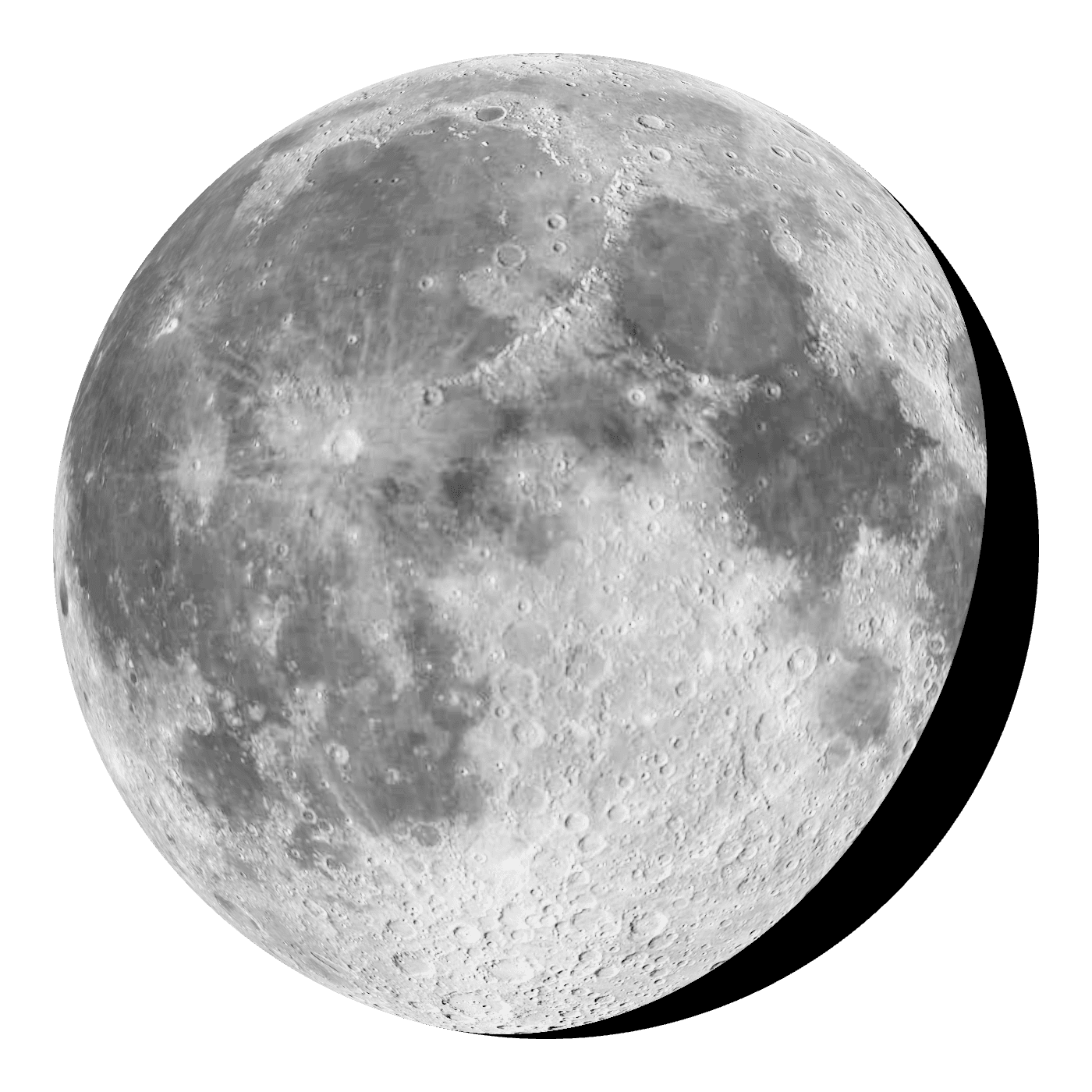
Flyby, orbit or landing
A trans-lunar injection out of parking orbit, a coast the simulator runs on rails, and a sphere-of-influence handover to lunar gravity.
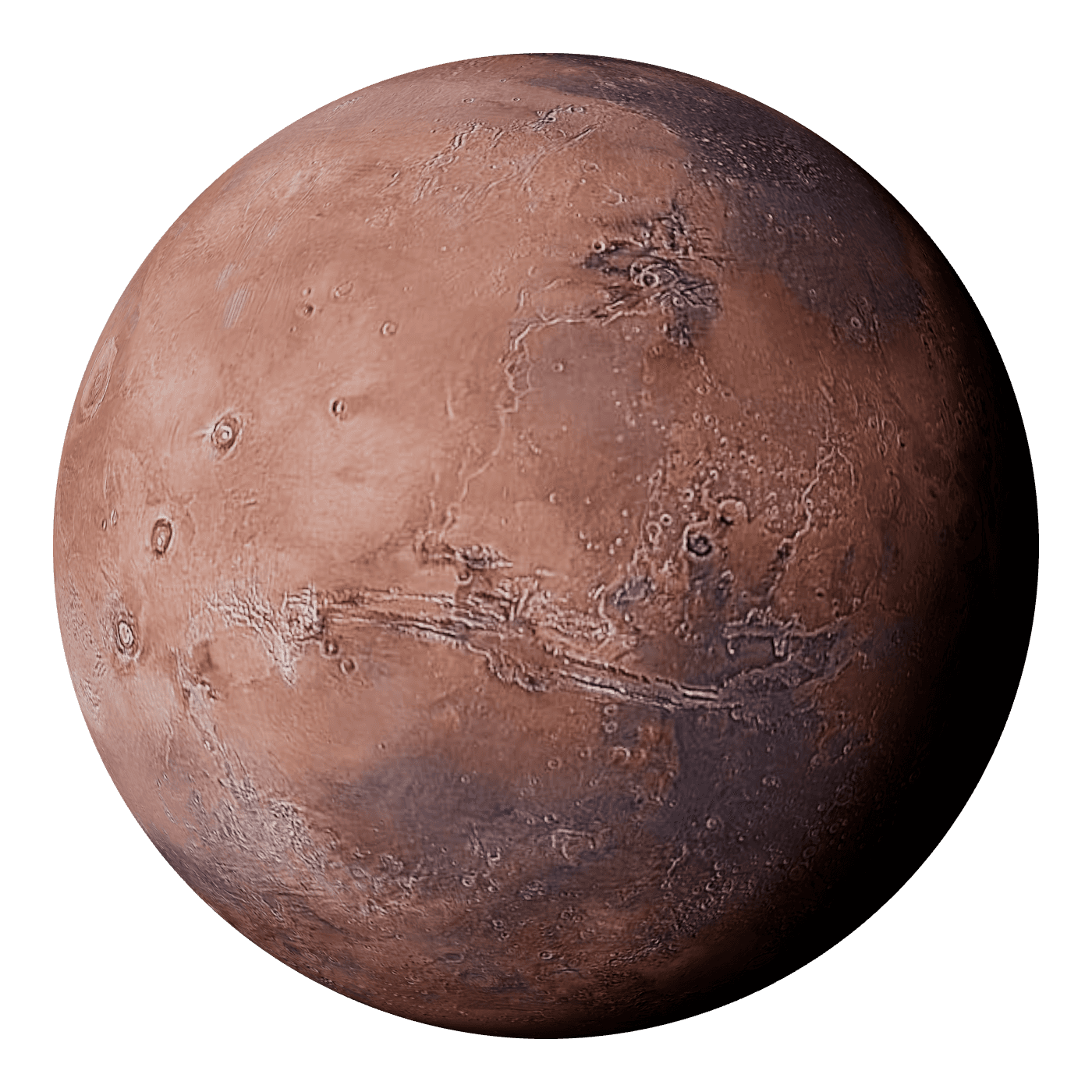
A real transfer window
Windows are computed from the real positions of both planets. Miss one and the next is roughly twenty-six months out.
Courses
Rocket engineering from the rocket equation to landing on Mars — written against a simulator that already implements all of it, so every lesson ends somewhere you can fly.
Foundations
04 lessons
Orbital mechanics
04 lessons
Flight
04 lessons
T+00:08:19 · Touchdown
The playground opens on a vehicle, a launch site and a program you can change. Nothing to install, nothing to sign up for.
A browser orbital simulator. Imagery from NASA.